

A pet GPS tracker is not a standalone plastic accessory. Its customer experience depends on satellite reception, cellular or service connectivity, firmware, app permissions, cloud availability, battery settings, map data and how securely the device stays on the animal. A sample that works beside the supplier’s office can still fail in the buyer’s target market.
This guide gives importers, distributors, pet brands and private-label sellers a repeatable approval process. For commercial planning—including OEM scope, wholesale questions and branding—also use the Pet GPS Tracker OEM, Wholesale & Private Label Guide requested for this project.
1. Freeze the Exact Sample Configuration First
Before testing, ask the supplier to identify the hardware revision, firmware, app version, service plan, target country, accessories, charging cable, collar attachment, packaging and manual. Record the device identifier and photograph every component. If the bulk order may use a different radio module, battery, enclosure, firmware or app, the current sample is not a final approval sample.
| Item | What the Buyer Must Record | Why It Matters |
|---|---|---|
| Market | Countries, operators, map/app-store availability and intended user environment | A tracker can behave differently across networks and regions. |
| Hardware | Model, revision, battery, charging method, enclosure and attachment | Bulk production must match the approved structure. |
| Software | Firmware, app build, account type, permissions and cloud region | Location and alert behavior can change with software. |
| Commercial service | SIM/eSIM arrangement if applicable, activation, subscription, renewal and support ownership | Recurring fees and activation friction directly affect reviews and returns. |
| Packaging | Manual, QR code, labels, legal text, accessories and carton configuration | The buyer must approve the complete sellable package, not a loose engineering unit. |
2. Verify Connectivity in Every Target Market
Ask for a written compatibility matrix for each launch country. Confirm the exact network/service arrangement, supported operator environment, activation process, roaming limitations, shutdown risk for legacy networks and responsibility for service interruptions. Do not accept a general statement such as “works worldwide.”
Use local test units in each priority market. Test initial activation, reconnection after signal loss, recovery after airplane travel or a long offline period, and behavior when mobile data is weak. Record what the user sees when the tracker cannot report a fresh location.
3. Test Location Performance in Real Environments
A single outdoor result is not enough. Build a route that includes open sky, tree cover, narrow streets, a parked vehicle, a doorway and an indoor edge case. Use a trusted reference phone or survey point only as a comparison tool; the pass/fail standard should reflect the product’s intended use and documented behavior.
- Measure time from activation to the first usable location.
- Record the displayed position and timestamp, not just the map pin.
- Repeat the same route at different times and weather conditions.
- Check how the app distinguishes a fresh fix from a cached or estimated location.
- Verify recovery after the device moves from indoor or obstructed space back to open sky.

4. Check Update Intervals, Live Mode and Route History
Faster reporting may improve perceived tracking responsiveness but can reduce battery life and increase data use. Test every update profile planned for sale. For each profile, record requested interval, actual interval, missed points, time-stamp accuracy and the delay between device movement and app display.
Review route history for gaps, impossible jumps, duplicated points and incorrect time zones. Confirm whether users can export or share data and how long records remain available. Marketing should describe tested behavior, not use “real-time” as an undefined promise.
5. Test Geofences as an Escape Scenario
Create geofences of different sizes around a house or controlled test area. Cross the boundary slowly and quickly from multiple directions. Record the actual exit time, alert time, device update time and notification arrival time. Repeat after the phone has been locked, the app has been closed and notification permissions have changed.
- Test entering and leaving the same zone repeatedly.
- Check false exits while the tracker remains stationary near a boundary.
- Verify alerts for every authorized family member or team account.
- Confirm what happens when the tracker is offline during a boundary crossing.
- Make instructions explain that geofence performance depends on location updates and connectivity.

6. Measure Battery Life Under Defined Profiles
Battery claims are meaningless without a test profile. Define signal conditions, movement hours, update interval, live-mode use, alert frequency, temperature, app settings and battery health. Run multiple full charge/discharge cycles and record usable operating time, low-battery alerts and shutdown behavior.
Inspect charging alignment, connector wear, cable retention, heat, full-charge indication and recovery after deep discharge. Compare samples from more than one production lot when possible. The approved specification should state the conditions behind any battery-life claim and clearly separate standby from active tracking.
7. Audit App, Cloud Service and Data Responsibilities
For a connected tracker, the app and backend are part of the product. Test account creation, pairing, password reset, device transfer, family sharing, multiple pets, push notifications, background permissions, firmware update and reconnection after a phone change.
Commercial buyers should also establish who owns and maintains the app, who pays ongoing server and mapping costs, which languages are supported, what happens if a third-party service changes, and how user data requests or incidents are handled. Confirm privacy notices and target-market legal review before launch.
Use the smart pet product certification guide for US and EU buyers to organize compliance discussions, while recognizing that certification scope and privacy obligations depend on the exact configuration and destination market.
8. Test Enclosure Durability, Attachment and Pet Comfort
Location performance does not help if the tracker falls off, rotates under the neck or makes the collar unsafe. Fit the complete assembly to representative collars and harnesses. Observe walking, running, eating, resting and scratching. Check edges, weight distribution, attachment security, collar clearance and whether the device blocks tags or buckle operation.
Run controlled drop, vibration, attachment pull, charging-cycle, button and weather-exposure tests based on the intended market claim. Inspect seals after exposure. The C09 Pet GPS Tracker product page identifies IP65 protection; buyers should still verify the final production configuration and avoid implying immersion resistance from an IP65 claim.

9. Review Packaging, Activation and First-Use Support
Give the proposed retail package to a tester who has not seen the product. Measure time to install the app, create an account, activate service, pair the tracker, attach it correctly and create the first geofence. Every question or failed step is potential support volume.
- QR codes must open the correct regional app-store page and remain readable after printing.
- The manual should explain permissions, signal limitations, charging, attachment and account transfer.
- Packaging claims must match the approved test conditions and market configuration.
- Confirm serial-number traceability, support contact, warranty process and replacement policy.
- Test the final carton for transport damage before approving bulk packaging.
For branding, packaging and MOQ planning, see the private-label smart pet product guide and Haolinc’s OEM/ODM service.
10. C08 vs C09: Which Sample Should You Test?
The comparison below uses confirmed information on the current product pages. Exact functions, network/service compatibility, app, accessories, subscription terms, packaging and compliance documents must be confirmed for the buyer’s chosen market and order configuration.
| Model | Confirmed Product Direction | Best Sample-Test Focus | Buyer Decision |
|---|---|---|---|
| C08 Pet GPS Tracker | Compact and lightweight app-connected platform; the product page indicates 15+ functions and multiple appearance options | Confirm the exact enabled function list, target-country service compatibility, fit, app flow, appearance option and final accessories | Consider for projects prioritizing a compact platform and appearance choices, subject to configuration verification |
| C09 Pet GPS Tracker | IP65, durable construction, long-standby positioning, convenient charging and smart app control | Verify weather resistance of the final unit, attachment security, active-vs-standby battery profile, charging and market compatibility | Consider for outdoor-use positioning where IP65 and charging convenience support the product brief |
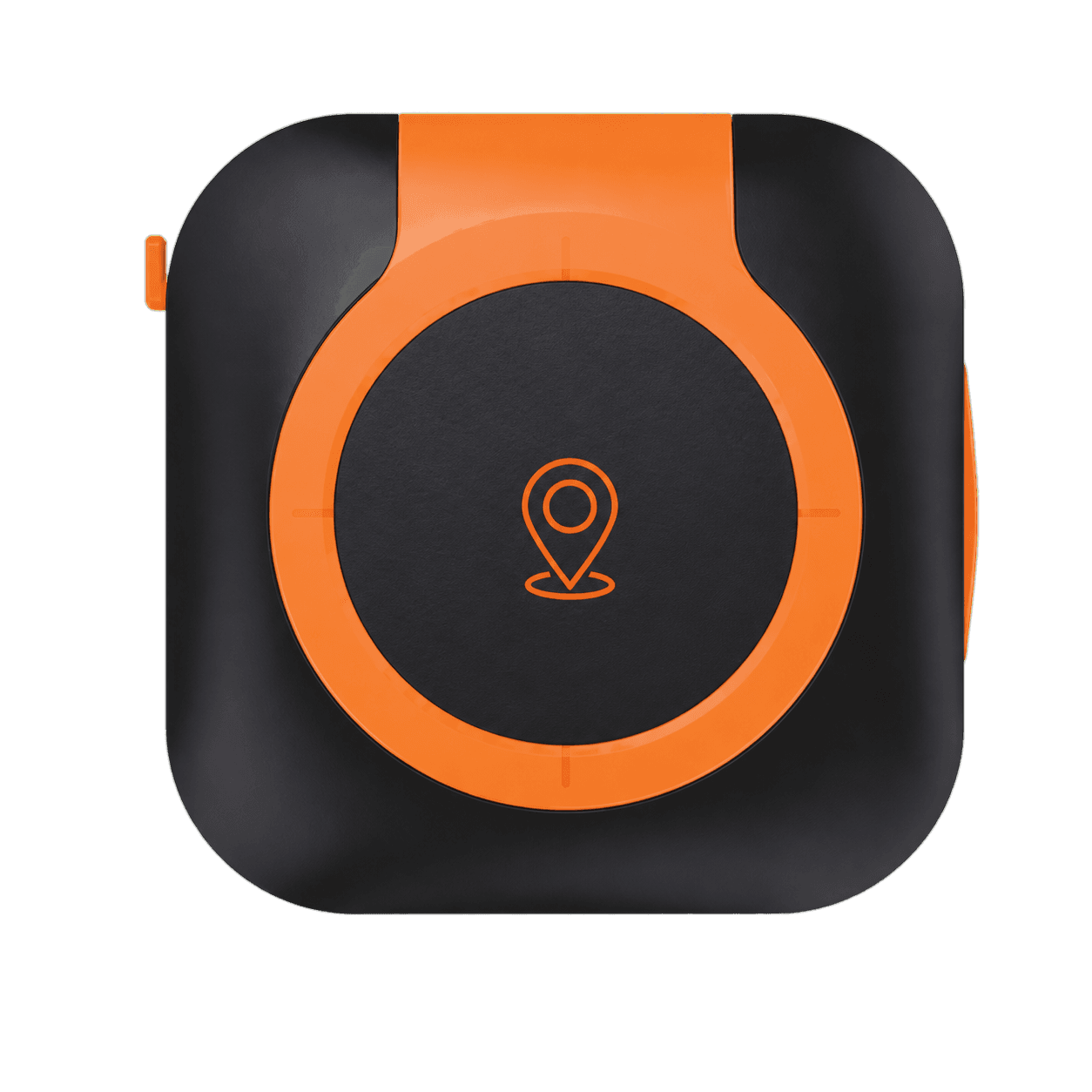
C08 Pet GPS Tracker
Confirm enabled functions, country compatibility, app behavior, attachment and private-label appearance on the exact sample.
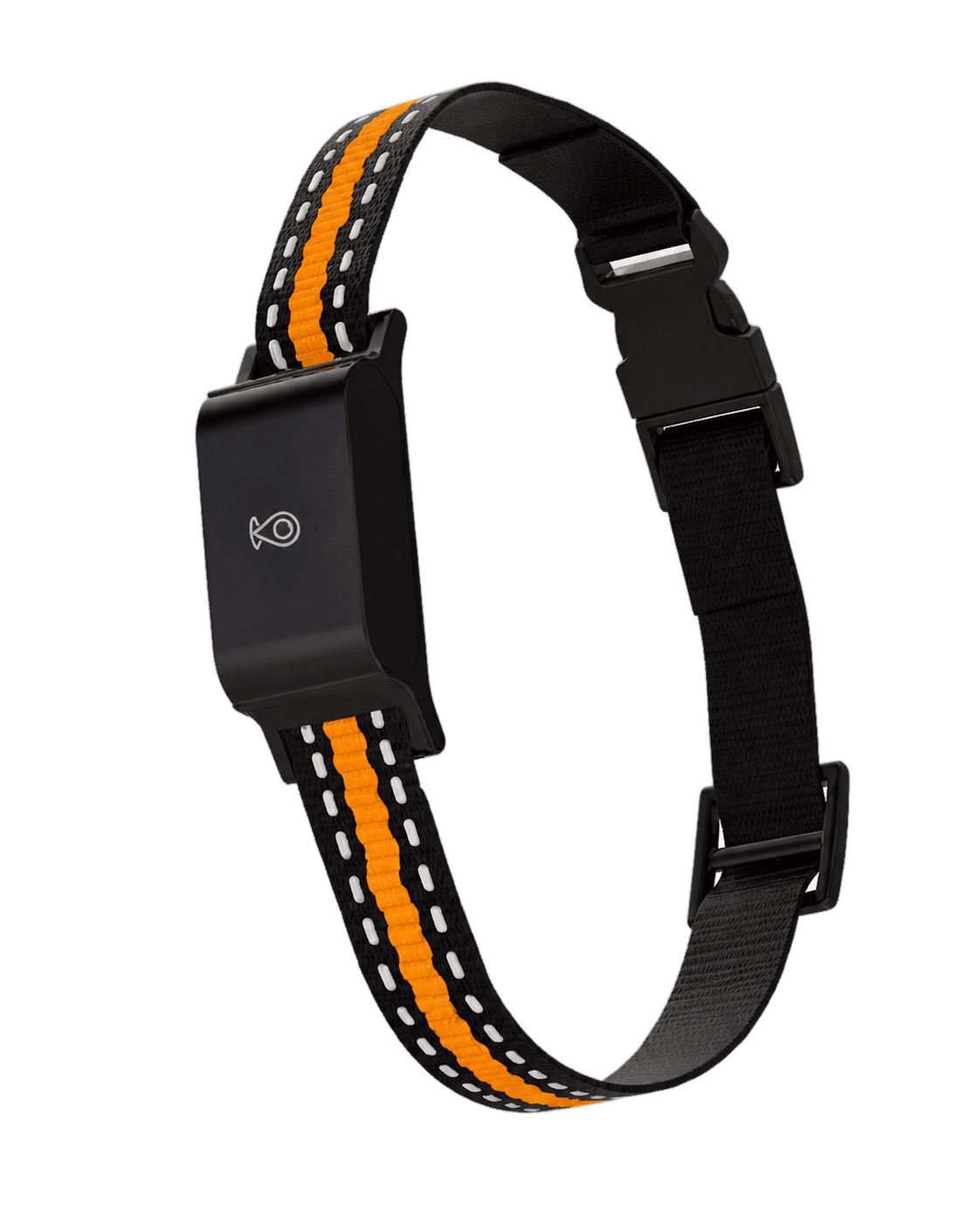
C09 Pet GPS Tracker
Prioritize weather exposure, collar retention, charging and battery testing under defined active-tracking settings.
11. Turn the Test Results into a Golden-Sample Standard
A good report does not say “GPS works.” It defines how each test was run, records evidence, identifies the acceptable limit and states who approved the result. Create a matrix covering device identity, market, connectivity, first fix, location freshness, route history, geofence latency, battery profile, charging, app functions, attachment, durability, packaging and documentation.
| Decision Area | Pass/Fail Evidence | Bulk-Order Control |
|---|---|---|
| Connectivity | Local activation and repeatable reconnection in every launch market | Approved module/service configuration and country matrix |
| Location and alerts | Recorded routes, timestamps, geofence crossings and notification results | Locked firmware/app version and regression test cases |
| Battery and charging | Multiple cycles under written active-use profiles | Battery specification, sample plan and end-of-line charging check |
| Mechanical quality | Attachment, wear, drop/weather and fit observations | Golden sample, materials, dimensions and inspection limits |
| Onboarding | Unassisted setup test using final package | Approved app links, manual, labels, QR codes and accessories |
| After-sales | Documented fault, replacement and account-transfer scenarios | Warranty terms, spare units, support route and traceability |
Retain one signed golden sample and the final test record. Reference both in the purchase specification and pre-shipment inspection. Review the supplier’s factory and quality-control process, and use the broader smart pet product manufacturer evaluation guide when comparing vendors.
Conclusion
The best pet GPS tracker sample is not the one that looks most impressive in a short demonstration. It is the one that performs consistently in the target country, communicates limitations honestly, survives the intended use, can be activated without excessive support and can be reproduced under controlled bulk-production specifications.
Before placing an order, compare the smart pet tracker buying guide, confirm commercial details in the pet GPS tracker OEM and wholesale guide, then approve the exact model only after written sample evidence.
