

Google Trends and platform discussions show that buyers are no longer asking only, “Does it have GPS?” They ask whether it needs a subscription, whether it works without cellular service, whether it is suitable for a cat, who maintains the app, how quickly escape alerts arrive and what happens if the service stops.
That shift matters to distributors and private-label brands. The wrong architecture can create misleading claims, unexpected recurring costs, country-coverage failures and high return rates. This article focuses on the technology and business-model decision. For manufacturing, MOQ, packaging and branding, continue with Haolinc’s high-traffic Pet GPS Tracker OEM, Wholesale & Private Label Guide.
1. What Google Trends and Platform Questions Suggest
In a global Google Trends comparison covering August 2021 to August 2026, the relative average interest scores were 16 for “dog gps tracker,” 10 for “cat gps tracker” and 9 for “pet gps tracker.” These are normalized comparison indexes—not search volumes. The long phrase “gps dog tracker no subscription” was too small to score strongly in that four-term comparison, yet its rising related searches included PitPat and Tractive terms.
Related-query signals also showed rapid growth around Apple/AirTag-style searches for pets and cats, plus branded ecosystems such as Life360, Ring Pet Tag, Tractive and Weenect. Reddit and marketplace questions repeatedly return to subscription cost, cellular coverage, AirTag versus true GPS, off-grid use, small-pet fit and whether a tracker remains useful after a plan is cancelled.
2. GPS, Bluetooth Tag or Direct Radio: What Is the Difference?
| Architecture | How Location Reaches the Owner | Typical Strength | Main Limitation | B2B Risk to Verify |
|---|---|---|---|---|
| Cellular GNSS/GPS pet tracker | Satellite/GNSS position is transmitted through a mobile network to an app/cloud service | Wide-area tracking, geofences, history and remote alerts where service is supported | Requires network coverage and an operating data/service model | Country compatibility, subscription ownership, backend continuity and app support |
| Bluetooth crowd-network tag | Nearby compatible phones or ecosystem devices relay the tag’s Bluetooth signal | Small hardware, long battery potential and no dedicated cellular plan in many ecosystems | Location depends on nearby participating devices; it is not the same as continuous independent GPS | Ecosystem authorization, marketing claims, platform policy and sparse-network performance |
| Direct-radio tracker | A collar transmits to a dedicated handheld receiver over radio | Can work beyond cellular networks within the radio system’s practical range | Buyer must carry another device; terrain and obstacles affect range | Radio compliance, antenna performance, receiver cost and channel fit |
| Wi-Fi/Bluetooth proximity device | Reports presence near a known phone, router or gateway | Useful for home zones, setup and power-saving logic | Does not provide independent wide-area tracking | Do not present proximity detection as nationwide live GPS |

3. Ten Questions Buyers Are Really Asking
1. Is it true GPS tracking or only a “last seen” Bluetooth location?
Ask the supplier to diagram the complete path from the animal to the owner’s phone. A GNSS receiver can calculate a location, but the product still needs a way to deliver that position. If the path relies on nearby phones, it is a crowd-network locator. If it relies on cellular data, identify the network and service model.
2. Does “no subscription” also mean no SIM, no cellular cost and no cloud dependency?
Not necessarily. “No monthly fee” may mean the service is prepaid, bundled into the device price, limited by country or supported through a different architecture. Buyers should request a five-year cost and responsibility table covering data, maps, cloud, app-store accounts, push notifications and customer support.
3. Will it work in my target countries and during cross-border travel?
Never accept “global coverage” without a country and operator matrix for the exact hardware/service configuration. Confirm activation rules, roaming, unsupported areas, legacy-network sunset exposure and what the app displays when the tracker is offline.
4. How quickly does an escape alert arrive?
Measure four timestamps: actual boundary crossing, device location update, server receipt and phone notification. The result changes with update interval, signal, app permissions and phone power-saving settings. An attractive geofence screen is not evidence of alert latency.
5. Can it track a cat or small dog comfortably?
Device weight alone is not enough. Test total collar weight, dimensions, attachment position, rotation under the neck, breakaway compatibility and movement while eating, grooming and climbing. Cat buyers often prioritize compactness more heavily than dog buyers.
6. What battery life should the retailer advertise?
Battery claims must state update interval, live-tracking duration, signal conditions, temperature, movement and geofence use. Faster updates normally require more energy. Separate standby claims from an active lost-pet scenario.
7. Who owns the app, server and user data?
Confirm app-store accounts, source-code ownership, backend provider, cloud region, maintenance fees, data-controller responsibilities, privacy documentation, incident response and exit rights. A private-label logo does not automatically give the buyer operational control.
8. Can one family or account manage multiple pets?
Platform buyers commonly ask about family sharing, device transfer, multi-pet dashboards and whether every device needs a separate plan. These rules affect household lifetime cost and should be fixed before pricing the retail offer.
9. What happens when the subscription ends or the service provider changes?
Specify which functions stop, how users export data, whether accounts can be transferred and what commercial support exists if a carrier, map provider or backend changes. Plan continuity is part of product quality for connected hardware.
10. Which claims can we safely use on Amazon, retail packaging and ads?
“Real-time,” “unlimited range,” “worldwide,” “waterproof” and “no subscription” require precise evidence and exclusions. Match claims to the exact production configuration, tested markets and service terms. Use the smart pet product certification guide to organize market-specific documentation.
4. Different Platforms Create Different Product Requirements
| Sales Platform or Buyer | Likely Question | Architecture to Evaluate | Content Needed to Convert |
|---|---|---|---|
| Amazon and marketplace seller | Will subscription complaints, pairing problems or unclear claims create returns? | Cellular GPS or simple ecosystem tag, depending on the promised use | Comparison chart, subscription disclosure, setup video, compatibility list and limitations |
| Pet retail chain | Can staff explain the difference in under one minute? | Choose the architecture with the clearest customer promise | Retail training card, demo app, country coverage and warranty process |
| Subscription-app brand | Can hardware and recurring service create sustainable lifetime value? | Cellular GPS with controlled app/cloud operations | Plan structure, churn assumptions, service SLA, privacy and device replacement policy |
| Outdoor or hunting channel | Will it work where cellular coverage is weak? | Direct radio or a carefully verified cellular/multi-mode solution | Terrain tests, range method, receiver requirements, battery and radio compliance |
| Cat accessory brand | Is it small, light and safe enough for daily wear? | Compact cellular GPS or ecosystem tag, depending on recovery scenario | Total collar weight, dimensions, breakaway method and real-cat observations |
| Distributor/private label | Who carries app, data, service and after-sales responsibility? | Architecture selected after target-market and support model are defined | OEM specification, service contract, QC plan, packaging and support ownership matrix |

5. Subscription vs No Subscription: Use Total Cost, Not a Slogan
A subscription can fund the SIM/data connection, mapping, cloud storage, push notifications, app maintenance and customer support. A no-subscription product may reduce recurring friction, but the cost may be prepaid, supported by a crowd network, limited to direct radio or recovered through a higher device price.
For B2B planning, model at least three years of hardware cost, activation, per-device connectivity, cloud/map fees, app maintenance, warranty replacements, payment fees and support time. Then ask whether the distributor, retailer, brand or end user pays each item. A product can be technically functional yet commercially unprofitable if service responsibility is unclear.
6. The App and Cloud Are Part of the Product
Connected products fail commercially when buyers approve the hardware but ignore software operations. Test onboarding, account recovery, device transfer, multiple users, geofences, location history, push notifications, firmware updates and deletion requests. Confirm language quality and app-store availability in every market.
If you need a private-label interface, define whether the project is logo/color customization, a dedicated app skin, a separate app-store listing or full software ownership. Each level has different cost, timeline and maintenance exposure. Haolinc’s OEM/ODM service and private-label MOQ and customization guide help structure that discussion.
7. Why “Pet GPS Tracker” Is Too Broad for the Product Brief
Google Trends shows stronger generic interest for “dog gps tracker” than “cat gps tracker,” but the faster-rising cat-related queries around AirTag-style products indicate a different problem: buyers want smaller, lighter and less intrusive hardware. That does not mean an item tag and a cellular GPS tracker solve the same recovery scenario.
- Dogs: prioritize escape alerts, robust attachment, wide-area recovery and active tracking.
- Cats: prioritize compact dimensions, total collar weight, snag/breakaway safety and low-profile wear.
- Travel users: prioritize country coverage, roaming, account access and charging.
- Remote-area users: prioritize communication architecture before app features.

8. How C08 and C09 Fit Different OEM Briefs
The table below uses confirmed direction from the current product pages. Exact app functions, network/service availability, subscription terms, accessories, packaging and certification scope must be verified for the selected market and order configuration.
| Model | Confirmed Product Direction | Best-Fit Buyer Question | What to Confirm Before Ordering |
|---|---|---|---|
| C08 Pet GPS Tracker | Compact, lightweight, app-connected platform; product information indicates multiple appearance options and 15+ functions | Can we build a compact tracker offer for cats, small dogs or design-led retail? | Exact enabled functions, target-country service, total collar fit, app flow, appearance option and accessories |
| C09 Pet GPS Tracker | IP65, durable construction, long-standby positioning, convenient charging and app control | Can we position a more outdoor-oriented tracker with clear weather and charging benefits? | Final IP configuration, active-use battery profile, attachment, target-country connectivity and service model |
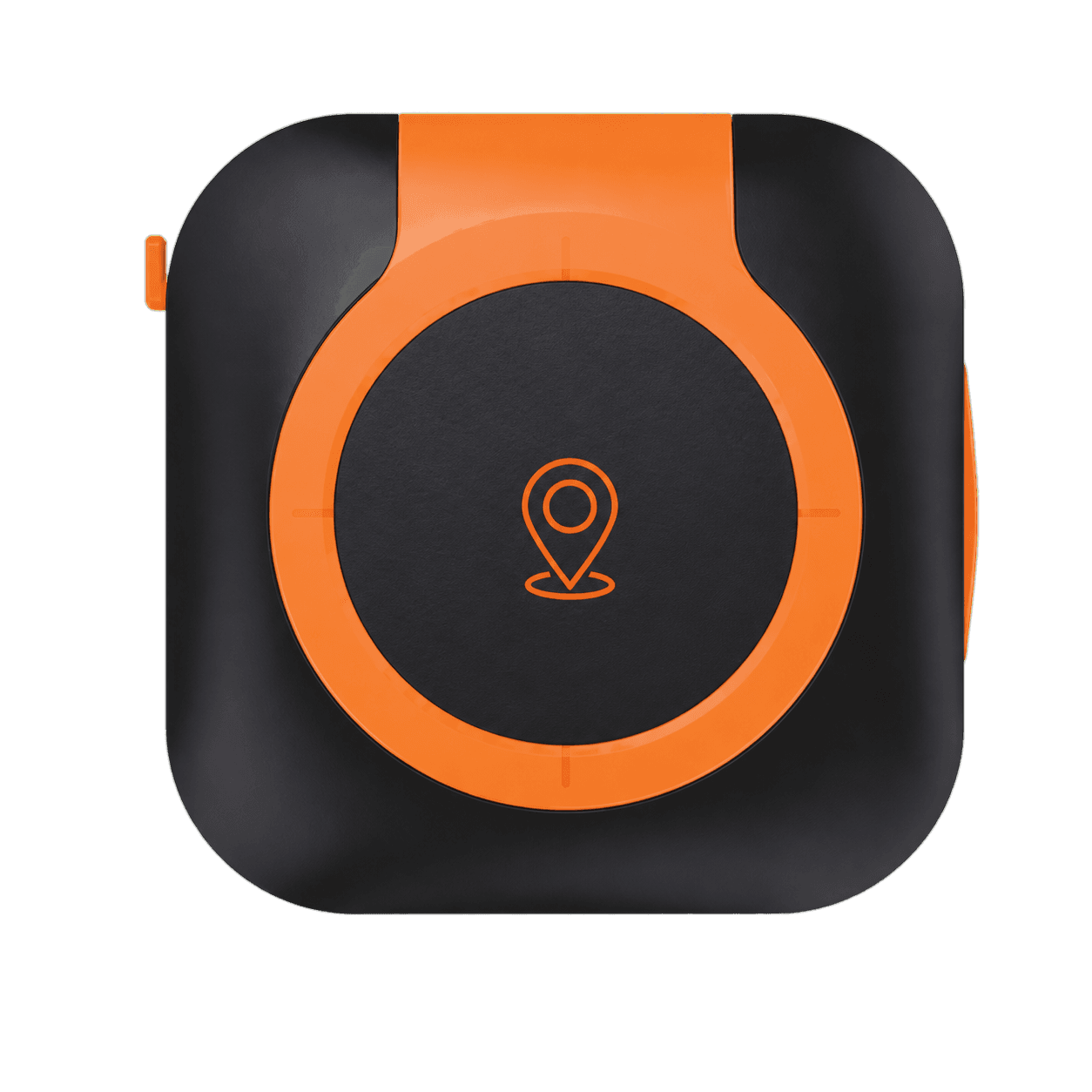
C08 Pet GPS Tracker
Evaluate when compactness, appearance options and app-connected functions are central to the brief.
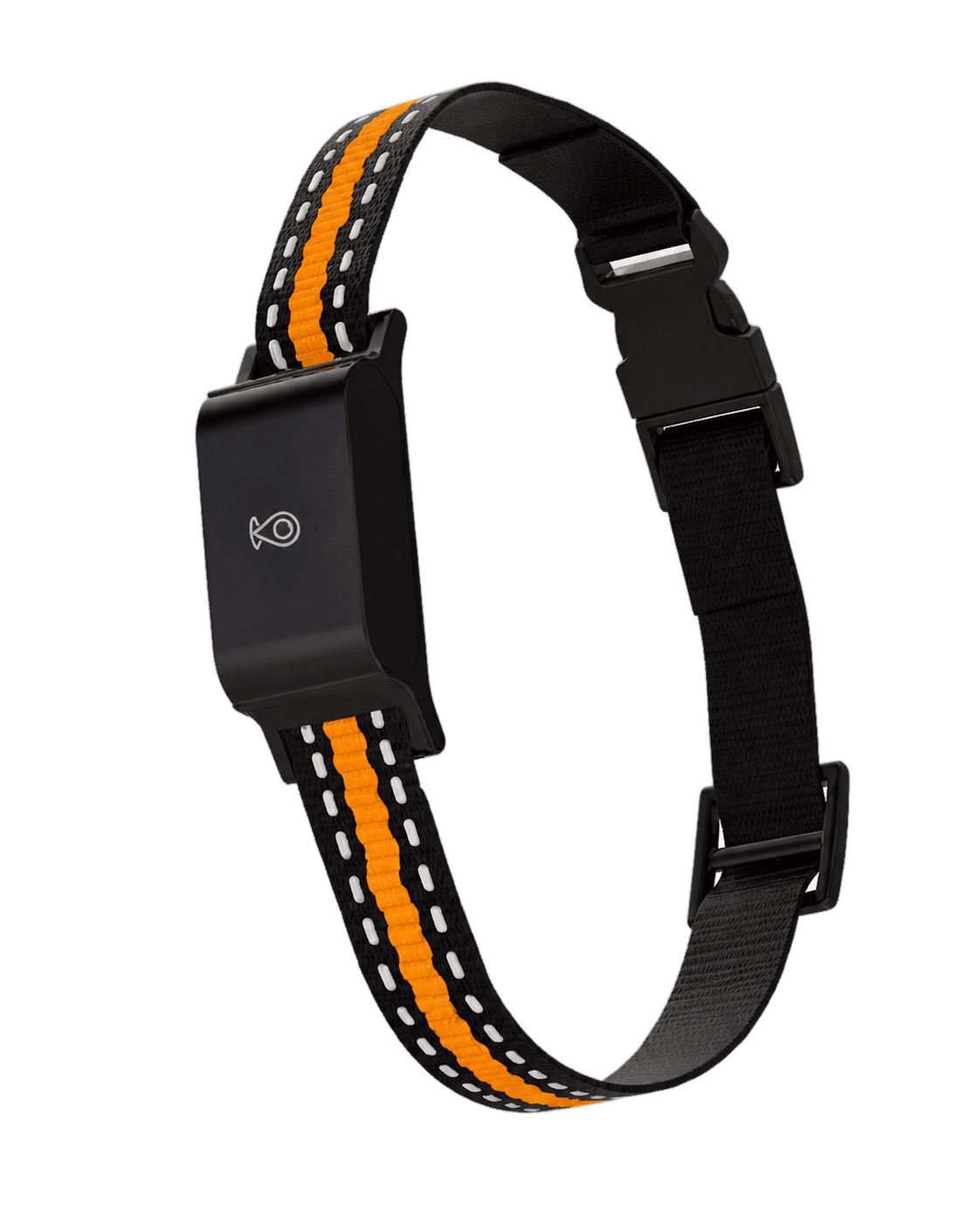
C09 Pet GPS Tracker
Evaluate for outdoor positioning where IP65, charging convenience and durability support the offer.
9. B2B Sourcing Checklist Before You Request a Quote
- Define the animal, body-size range, use environment and escape scenario.
- Choose cellular GPS, crowd-network Bluetooth or direct radio based on the communication path—not the product appearance.
- List destination countries, operators, app stores and required languages.
- Write the end-user subscription, activation and renewal experience.
- Specify app ownership, cloud region, data roles, support SLA and exit plan.
- Set measurable targets for location freshness, geofence alerts, battery profile, attachment and weather resistance.
- Approve claims, packaging, QR codes, privacy text and setup instructions.
- Test the exact production configuration using the pet GPS tracker sample-testing checklist.
- Confirm OEM scope, MOQ, quality controls, warranty and replacement handling.
- Retain a signed golden sample and written bulk-inspection standard.
Use the Pet GPS Tracker OEM, Wholesale & Private Label Guide for the complete commercial project flow, the smart pet tracker buying guide for end-user selection context, and the smart pet product manufacturer evaluation guide when comparing suppliers. Buyers can also review Haolinc’s factory and quality-control process.
Conclusion: Source the System, Not Just the Tag
Google Trends and platform discussions reveal a market trying to understand architecture, subscription and ecosystem trade-offs. The commercial opportunity is not to attach “GPS” to every locator. It is to explain clearly how location is generated, transmitted and supported—and to match that system to the buyer’s animal, market, channel and lifetime-cost model.
For pet brands and distributors, that clarity improves product positioning, reduces returns and makes OEM requirements easier to control. A defensible product page should state what the tracker can do, where it works, what it costs over time and what happens when connectivity is unavailable.
