

Amazon sellers, distributors and private-label pet brands often focus on unit cost, appearance and headline features. Connected trackers require a broader calculation. A small misunderstanding about subscription fees or cellular coverage can generate more returns than a visible hardware defect.
This guide maps the main return triggers to practical prevention steps across sourcing, product pages, packaging, quality control and after-sales service. For model selection, customization, MOQ and wholesale planning, use Haolinc’s Pet GPS Tracker OEM, Wholesale & Private Label Guide.
1. Map the Return Before You Source the Product
Start by writing the ten return reasons most likely to appear in your target channel. Separate them into hardware defects, configuration errors, expectation gaps and support failures. This prevents the team from treating every complaint as a manufacturing defect.
| Likely Return Reason | Underlying Cause | Prevention Owner | Evidence Needed |
|---|---|---|---|
| “Unexpected monthly fee” | Subscription not shown before purchase | Commercial and content teams | Price table, activation flow and packaging disclosure |
| “Does not work in my country” | Unsupported service, operator or app region | Product and supplier teams | Country compatibility matrix for the exact configuration |
| “Location is wrong or delayed” | Indoor obstruction, stale fix, weak network or unrealistic claim | Product, content and support | Field-test results and clear explanation of location freshness |
| “Battery is much shorter than advertised” | Standby claim compared with active tracking | Product and marketing | Battery profiles with update interval and signal conditions |
| “Too large for my cat” | Dimensions and total collar fit not communicated | Merchandising and content | Weight, dimensions, fit photos and animal-size guidance |
| “Cannot activate or pair” | QR, permissions, account or service onboarding failure | App, packaging and support | Unassisted first-use test and troubleshooting flow |
| “Tracker fell off” | Attachment mismatch or wear | Mechanical design and QC | Collar compatibility, pull/wear test and assembly instructions |
2. Put Subscription and Service Costs Above the Buy Button
“No subscription” is a high-interest search theme because end users dislike surprise recurring costs. Yet a cellular pet GPS tracker may require data connectivity, maps, cloud services and app maintenance. Hiding the fee may improve the first click but damage conversion quality, reviews and refund rates.
- Show whether activation requires payment before the tracker works.
- List monthly, annual and multi-year options without forcing account creation first.
- Explain whether every pet/device requires a separate plan.
- State what functions stop when the plan expires.
- Clarify travel, roaming and country restrictions.
- Separate device warranty from service-plan terms.
3. Prevent “Not Working” Returns with a Country Compatibility Matrix
A tracker may pass factory tests and still fail after export if the selected network/service configuration is not supported in the destination. Before ordering, freeze the radio module, service provider, SIM/eSIM arrangement if applicable, app-store region and activation workflow.
Publish a customer-facing country list and keep a more detailed internal matrix covering operators, roaming, known weak-coverage scenarios and support escalation. Ask the supplier what happens after a network sunset, carrier change or service interruption.
If you are still comparing cellular GPS, Bluetooth crowd-network tags and direct-radio trackers, read the pet GPS vs Bluetooth vs radio tracker B2B guide before writing coverage claims.
4. Explain “Live,” “Fresh,” “Last Seen” and “Offline”
Customers often interpret every map pin as a live location. The app should display the location timestamp and connection state clearly. Product content should explain that satellite reception, cellular/network coverage, update interval and phone notification permissions affect the experience.

- Define “live tracking” with the tested update behavior and limitations.
- Show whether a position is current, cached or estimated.
- Explain indoor, wooded, urban-canyon and weak-network scenarios.
- Demonstrate reconnection after the pet returns to open sky and service coverage.
- Never present a Bluetooth “last seen” location as independent wide-area GPS.
5. Reduce Activation and Pairing Failures
Give the final retail package to a person who has never seen the product. Measure the time required to identify the correct app, create an account, activate the service, pair the device and create the first geofence. Record every point where help is needed.
QR codes should open the correct regional app store. The instructions must show required Bluetooth, location and notification permissions. Add recovery steps for an already-bound device, a changed phone, forgotten password, failed firmware update and transfer to a new owner.
6. Replace One Battery Number with Tested Usage Profiles
A single “up to” battery claim creates disputes because standby and lost-pet tracking have different loads. Offer at least three tested profiles: low-activity daily wear, normal location updates and active/live recovery. State the signal environment, update setting, geofence use and temperature.
- Test several charge/discharge cycles rather than one engineering sample.
- Measure low-battery alert timing and shutdown behavior.
- Check charging alignment, connector wear, cable fit and heat.
- Explain power-saving zones and how they affect update frequency.
- Keep marketing claims within the worst acceptable production tolerance.
7. Show Real Pet Fit, Not Only a Product Cutout
Cat and small-dog owners need total dimensions, weight with attachment, collar-width compatibility and on-animal photos. Observe the device while the animal walks, eats, rests and scratches. Check whether it rotates under the neck, catches on objects or interferes with the buckle and identification tag.

Where cats are part of the target market, define the breakaway-collar strategy and explain the trade-off between retention and snag safety. Returns fall when product pages show both suitable and unsuitable use cases.
8. Treat Packaging and Product Pages as Tier-One Support
A return-resistant package answers the customer’s first questions before they contact support. Use a quick-start card with four steps, a clearly labeled charging diagram, app QR code, subscription notice, compatibility statement and a troubleshooting URL.
| Content Location | Must Include | Return Risk It Reduces |
|---|---|---|
| Marketplace title/bullets | Technology type, target animal, subscription status and key limitation | Wrong-product and surprise-fee returns |
| Comparison image | GPS vs Bluetooth distinction, live/last-seen meaning and country coverage | Location-expectation disputes |
| Product page FAQ | Activation, multi-pet plans, app permissions, travel and offline behavior | Pre-sale uncertainty and avoidable support tickets |
| Box exterior | Required phone/app, plan requirement, included accessories and compatibility | Unopened or immediate returns |
| Quick-start guide | Charge, activate, pair, attach and test outdoors | “Device is defective” activation returns |
| Support page | Status-light meanings, reset, transfer, permissions and escalation | Returns that could be resolved remotely |
9. Build Return Prevention into Sample and Production QC
Quality control must cover the connected experience, not only appearance. Use serialized samples and record hardware revision, firmware, app build and service configuration. Test activation, first location, route history, geofence alert, charging, attachment and packaging QR codes.

Before bulk approval, follow the complete pet GPS tracker sample-testing checklist. For compliance planning, review the smart pet product certification guide for US and EU buyers and confirm documents against the final model and destination.
10. Adapt Return Prevention to the Sales Channel
| Channel | Main Return Exposure | Priority Action | Metric to Track |
|---|---|---|---|
| Amazon/marketplace | Fast purchase with limited technical understanding | Put plan, compatibility and technology type in images and bullets | Return reason by listing claim and first 30-day review themes |
| Retail chain | Staff may compare GPS and Bluetooth incorrectly | Provide a one-minute comparison card and demo flow | Store-level activation questions and return codes |
| Distributor | Different countries and operator environments | Control country/service SKUs and reseller training | Failure rate by country, batch and service configuration |
| Subscription-app brand | Churn, payment complaints and backend dependence | Show lifetime cost and define service continuity | Activation completion, plan conversion, churn and support cost |
| Private label | Unclear ownership across factory, app provider and brand | Sign a responsibility matrix before tooling or packaging | Ticket owner, resolution time and repeat-fault rate |
11. Match C08 or C09 to the Return-Risk Profile
The following uses confirmed direction from current product pages. Exact app functions, connectivity, subscription, packaging and certification scope must be verified for the selected market.
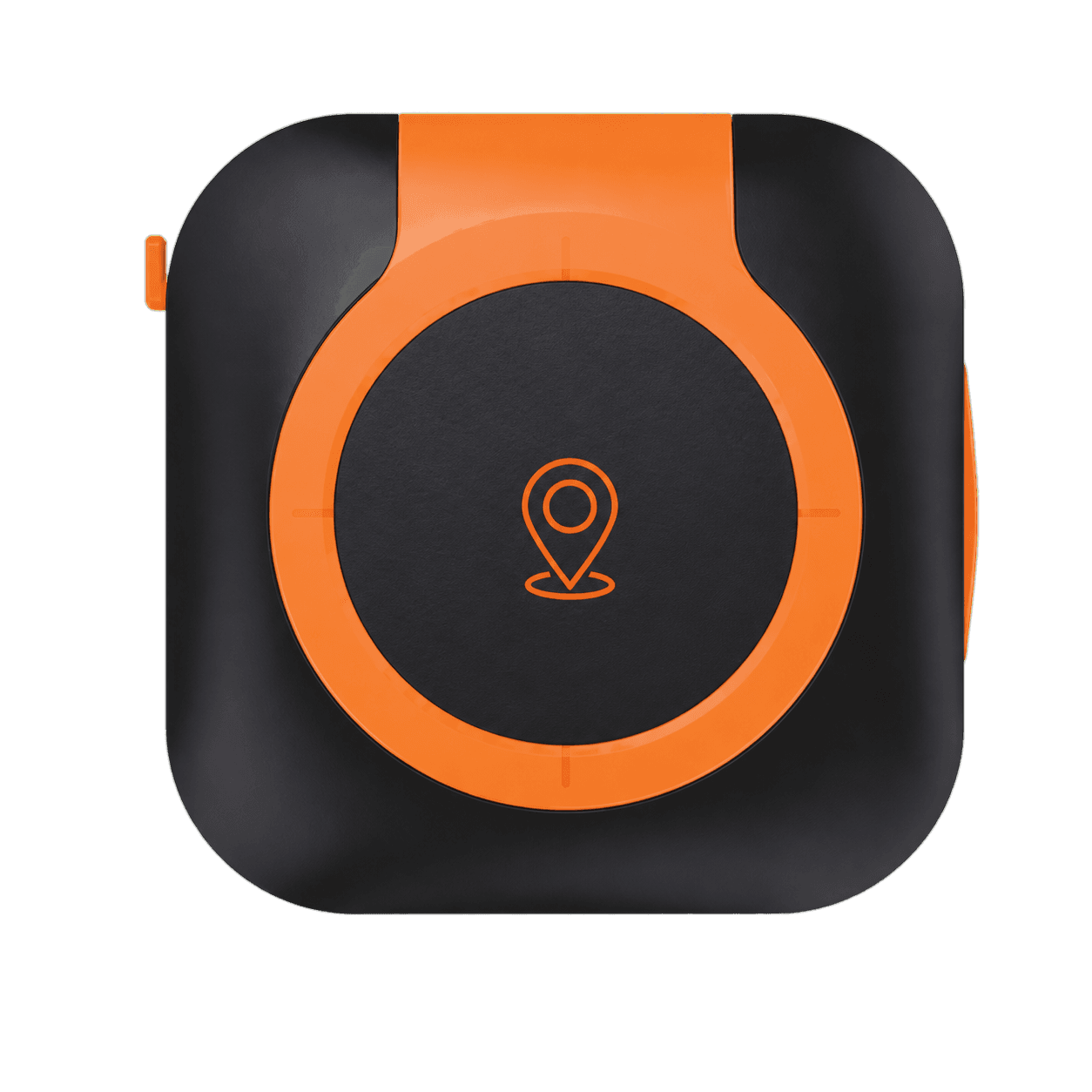
C08 Pet GPS Tracker
Its compact/lightweight direction and appearance options can support cat, small-dog and design-led projects. Confirm the exact enabled functions, target-country service and total collar fit.
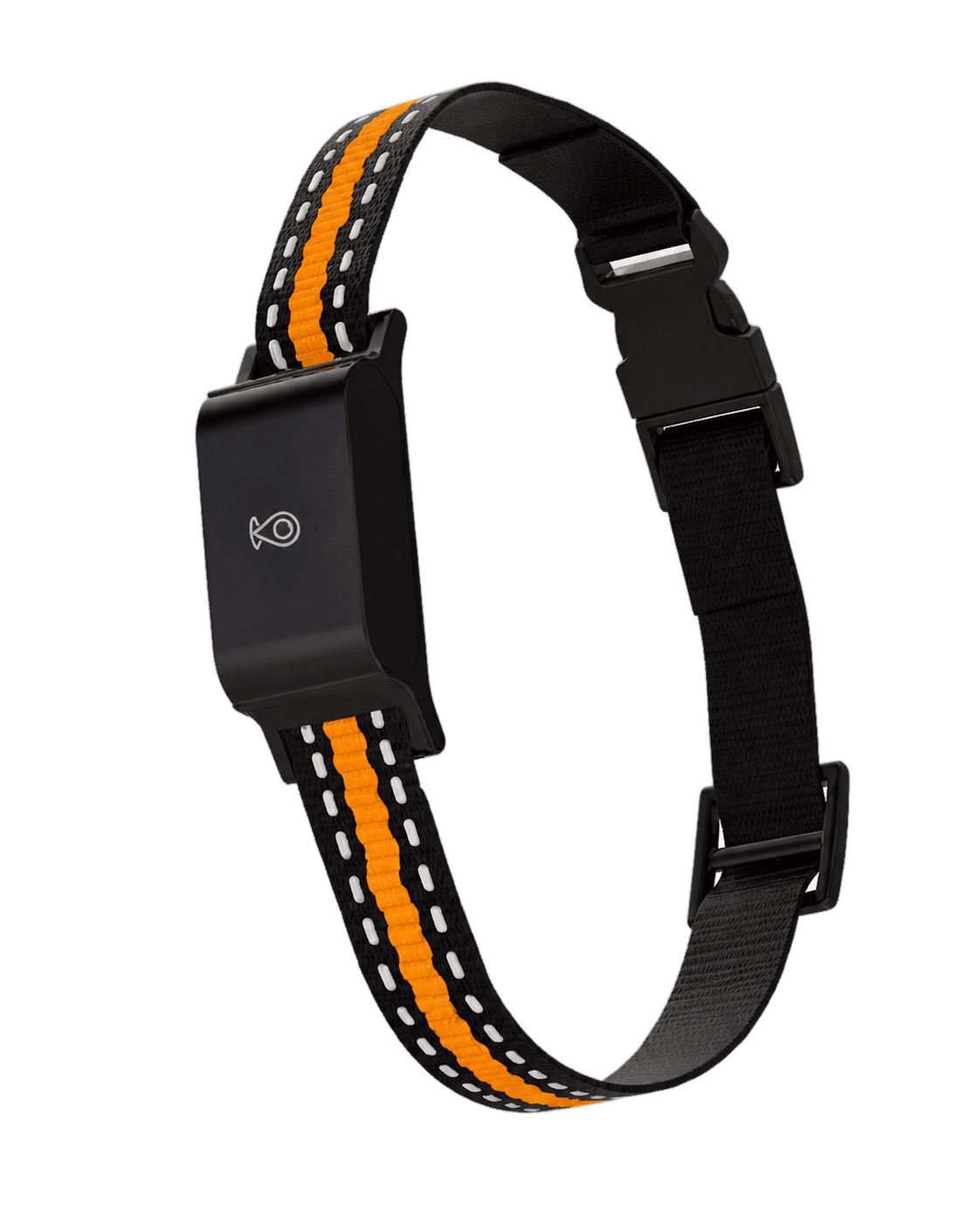
C09 Pet GPS Tracker
Its IP65, durable construction, charging convenience and long-standby positioning suit outdoor-oriented briefs. Verify active-use battery, attachment and market service.
12. Turn Return Data into the Next Purchase Specification
Do not store return reasons only as “defective” or “customer changed mind.” Create structured fields for country, channel, model, batch, firmware, app version, service plan, pet type, activation stage, reported symptom and resolution.
Review the top five return drivers every month. Update the product page, quick-start guide, supplier specification, QC test or support workflow according to the evidence. Separate one-off misuse from repeatable product failure, and require corrective action when the same configuration produces the same complaint.
Use the Pet GPS Tracker OEM, Wholesale & Private Label Guide to connect these lessons to model selection, MOQ, packaging and supplier questions. Haolinc’s OEM/ODM service, private-label customization guide and factory and quality-control overview can support project planning.
Conclusion
Lower return rates come from alignment: the technology matches the recovery scenario, the service works in the destination, the product page sets accurate expectations, the app can be activated, the device fits the animal and the support team can diagnose faults.
For Amazon sellers and distributors, these controls protect more than the refund rate. They improve reviews, advertising efficiency, reseller confidence and the profitability of repeat orders.
