

“Does this pet tracker require a subscription?” is one of the first questions buyers and consumers ask. For distributors and private-label brands, the deeper questions are: Who supplies the SIM? Who pays the cellular bill? Can the brand set its own retail subscription? What happens to active devices if the supplier changes its server or ends support?
This guide focuses on recurring cost and commercial responsibility. For product selection, branding, MOQ and packaging, use Haolinc’s Pet GPS Tracker OEM, Wholesale and Private Label Guide. For architecture differences, see the GPS, Bluetooth and radio tracker comparison.
| Recurring Cost | Typical Cost Driver | Buyer Decision |
|---|---|---|
| SIM and cellular data | Country, network partner, data volume, roaming and active devices | Supplier-managed SIM, brand-managed SIM or regional hybrid |
| Cloud infrastructure | Location updates, history retention, device messages, alerts and backups | Shared platform, dedicated tenant or brand-controlled cloud |
| Maps and geocoding | Map provider, requests, routes, geofences and address conversion | Included allowance, usage billing and supported countries |
| App maintenance | OS updates, bug fixes, SDK changes, localization and store releases | Included support, annual fee or separate change requests |
| Customer operations | Activation, billing, refunds, device transfer and support tickets | Supplier portal, brand portal or API integration |
1. What Costs Sit Behind a Pet GPS Tracker Subscription?
A tracker may use GNSS/GPS to calculate position, but it still needs a communication path to send that position to the user. A cellular model normally creates recurring expenses for the SIM profile, mobile data, cloud messages, location history, map services, push notifications, monitoring and software maintenance.
The cost changes with the location-update interval. A device reporting every few minutes in normal mode uses a different data and battery profile from live tracking. Geofence frequency, history retention and diagnostic logs also affect cloud and data demand. Request a cost table tied to named service assumptions instead of accepting one unexplained monthly number.
2. Who Should Supply and Manage the SIM?
There are three practical models. In a supplier-managed model, the factory or platform provider arranges connectivity and invoices the brand. This is faster to launch, but the buyer depends on the supplier’s carrier agreements and service continuity.
In a brand-managed model, the brand signs its own carrier or IoT-connectivity agreement. It gains more control over data cost and regional coverage, but must handle SIM provisioning, device credentials, billing and technical integration. A hybrid model uses supplier connectivity for some countries and brand connectivity where the buyer already has a strong regional contract.

| SIM Model | Best Fit | Contract Questions |
|---|---|---|
| Supplier managed | Faster launch and smaller connected-device team | Countries, roaming, suspension, renewal, price changes and data portability |
| Brand managed | Higher volume and existing IoT/carrier capability | APN, eSIM/SIM support, provisioning API, certifications and support responsibility |
| Hybrid by region | Multi-market launches with uneven carrier relationships | Device variants, firmware, account migration and reporting consistency |
3. Which Consumer Subscription Model Fits the Brand?
A brand can include a trial, bundle a service period into the hardware price, charge monthly or annually, or offer more than one service tier. Each option changes acquisition conversion, renewal rate, support workload and refund exposure.
- Free trial: lowers activation friction but requires clear conversion and cancellation rules.
- Bundled first year: creates a simple retail message but shifts service cost into hardware margin.
- Monthly plan: reduces initial commitment but increases payment-processing events and churn.
- Annual plan: improves cash collection and retention but may create larger refund disputes.
- Tiered plans: can separate normal updates from premium history or live-tracking features, but adds product and support complexity.
The contract must state whether the brand can set the retail price, receive subscription revenue and access renewal data. It should also define app-store fees, payment processing, taxes, refunds, failed payments and customer-service ownership.
4. Calculate the Per-Device Unit Economics Before Launch
Build a model for an activated device, not only a shipped unit. At minimum, include hardware gross margin, activation rate, free-service period, connectivity, cloud and map cost, payment fees, expected support cost, warranty replacement, renewal rate and inactive-device policy.
Service contribution per active device = collected subscription revenue − connectivity − cloud/maps − payment fees − service support − expected credits and refunds.
Run conservative, base and high-usage scenarios. A flat supplier fee may be predictable, while usage-based billing can rise when customers use live tracking heavily. Ask how inactive devices, lost trackers, replacements and device transfers are billed.
| Scenario Input | Question to Model | Why It Matters |
|---|---|---|
| Activation rate | What percentage of sold units create an active account? | Hardware sales do not equal service revenue. |
| Update intensity | How often do users enter live-tracking mode? | Data, cloud traffic and battery support may increase. |
| Renewal rate | How many users renew after the included period? | Determines whether the service can fund long-term support. |
| Replacement rate | Does a warranty replacement inherit the remaining plan? | Affects provisioning and customer credits. |
| Inactive-device policy | When do carrier and cloud charges stop? | Prevents cost from accumulating on dormant devices. |
5. Can a True GPS Pet Tracker Work Without a Subscription?
A device can calculate a GPS position without a consumer subscription, but remote delivery of that location still needs communication and infrastructure. “No subscription” may mean the connectivity cost is included in the retail price for a limited period, the user supplies the SIM, the product uses Bluetooth crowdsourcing, or it communicates with a nearby radio handset instead of the cellular network.
These are different architectures with different coverage. Do not use “no subscription” as a broad claim until the sales page explains the communication method, geographic limits, included service period and what happens afterward. The pet tracker technology comparison provides a fuller sourcing framework.
6. Who Owns the App, Cloud Platform and User Data?
A white-label interface does not automatically mean the brand owns the source code, cloud account or user database. Buyers should identify the legal and operational owner of the iOS and Android listings, developer accounts, domains, cloud tenant, device certificates, analytics and customer records.
Define who handles operating-system updates, security patches, map-provider changes and app-store reviews. Record which changes are included in annual maintenance and which require a new engineering quotation. For a detailed technical review, use the pet GPS tracker app and cloud evaluation guide.

For Europe, clarify controller and processor roles, data location, retention, deletion, breach handling and subprocessors. Certification of the hardware alone does not resolve privacy or cloud-contract responsibilities.
7. What Happens if the Supplier Stops the Cloud Service?
This is one of the highest-impact questions in a connected product contract. If the platform closes, the hardware may remain powered but lose the function customers purchased. Ask for a transition plan before launch.
- Can the brand export user, device and subscription records?
- Can device credentials and firmware endpoints be transferred?
- Is an API or SDK available for migration?
- Who controls the app-store listings and release certificates?
- How much notice is required before a material service or price change?
- Is there an escrow, source-code access or continued-hosting option?
- How will active subscribers be informed and refunded?
A smaller buyer may not need to own the entire platform. It still needs defined data export, notice and customer-remedy terms.
8. Plan Subscription and Coverage by Region
One global retail box can hide different regional realities. LTE bands, carrier agreements, roaming rules, map coverage, tax treatment, privacy requirements and customer expectations vary. Verify the exact hardware and SIM configuration in the United States, European Union, United Kingdom and any additional target market.
Run activation, normal tracking, live tracking, geofence and reconnection tests using production service profiles. Then review the pet GPS tracker sample-testing checklist and US and EU smart pet product certification guide. Coverage claims should describe realistic limits such as indoor, forest, rural and weak-signal conditions.
9. Questions for C08 and C09 OEM Projects
The model choice should follow the service design. Confirm enabled functions, regional compatibility and the intended app/cloud configuration on the final quotation.
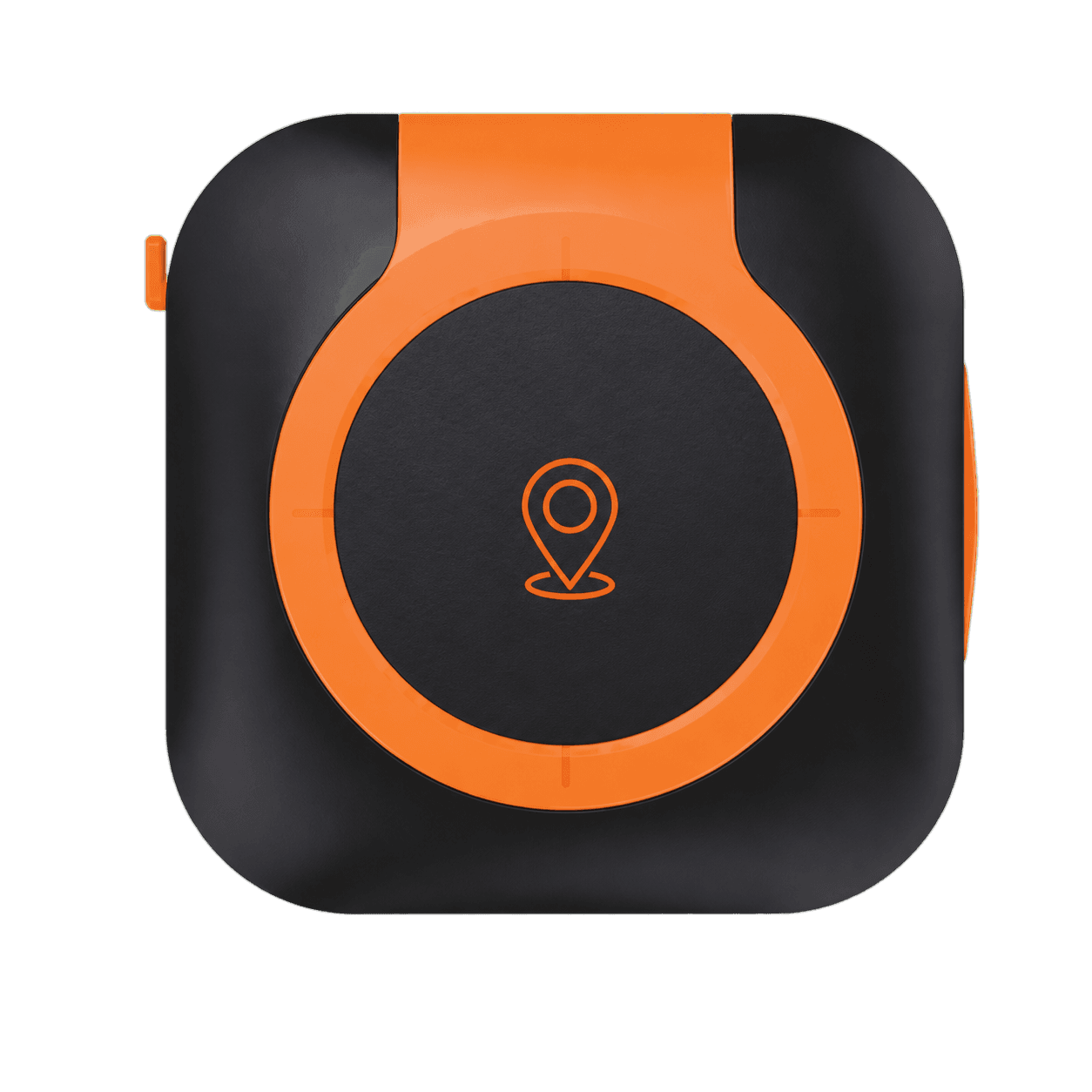
C08 Pet GPS Tracker
Ask which functions are enabled, which regions and SIM model are supported, who operates the app and how appearance options affect MOQ.
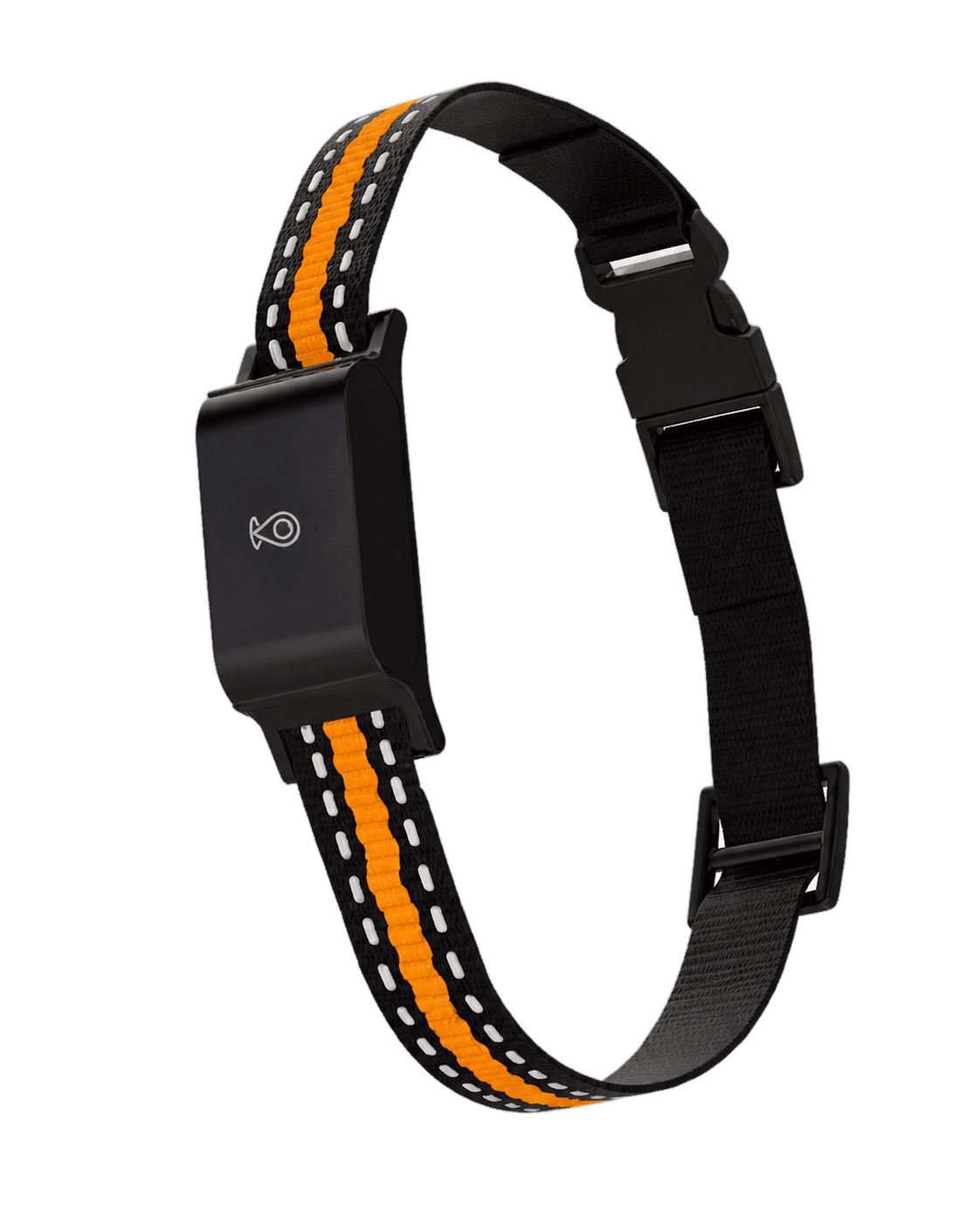
C09 Pet GPS Tracker
Ask how active tracking changes battery and data use, how IP65 is verified, and which subscription and charging support applies.
Review the guide to reducing pet GPS tracker returns before locking packaging and customer-facing claims.
10. Buyer FAQ and RFQ Checklist
Can the brand set its own subscription price?
Only if the commercial agreement and billing system allow it. Confirm who collects payment, who owns the subscriber relationship and how revenue is settled.
Does the monthly fee include maps and app maintenance?
Do not assume it does. Request a line-by-line scope showing connectivity, cloud, maps, notifications, monitoring, app releases and support.
Who pays for service during the free trial?
The contract should assign that cost and define when billing starts, how cancellation works and what happens to unsold inventory.
Can users move a subscription to a replacement tracker?
Define the transfer and warranty workflow before launch. It affects support time, provisioning and customer credits.
What should be included in the RFQ?
List target countries, estimated activated devices, update modes, history retention, geofence use, SIM owner, retail subscription model, app branding, API needs, privacy requirements and support expectations.
Before signing, request a responsibility matrix covering the SIM, carrier, firmware, cloud, maps, app stores, billing, user support, security incidents, data export and end-of-service plan. Review Haolinc’s OEM/ODM service and factory and quality process alongside the connected-service contract.
