

Pet GPS tracker battery life is one of the first questions distributors ask, yet a single number rarely predicts real customer experience. A tracker may last several days in normal reporting but drain much faster when a lost-pet owner activates continuous location updates. For OEM buyers, the useful question is not “How many days does it last?” but “Under which network, update interval, temperature and tracking mode was that result measured?”
Contents
- Why one battery-life number fails
- The operating modes buyers should separate
- What actually consumes the battery
- Normal mode vs live tracking
- Weak signal, roaming and indoor use
- A repeatable OEM sample-test method
- Charging, ageing and low-battery alerts
- Evidence to request from a supplier
- Matching C08 and C09 to the project

Why One Battery-Life Number Fails
Battery endurance is a system result. Hardware capacity matters, but firmware wake-up logic, GNSS acquisition time, cellular registration, data retries, sensor activity, app requests and server commands all affect consumption. Two samples with the same battery can produce very different results if their reporting policies differ.
This is why an OEM specification should state a test profile, not only a day count. Buyers preparing an OEM or private-label pet GPS tracker project should agree on the profile before confirming packaging claims or marketplace listings.
The Operating Modes Buyers Should Separate
| Mode | Typical behaviour | Buyer verification |
|---|---|---|
| Standby | Long sleep periods and limited reporting | Confirm whether the tracker is moving, connected and inside coverage |
| Normal | Periodic location or status uploads | Record the actual update interval and daily movement profile |
| Geofence alert | Monitoring plus event-triggered communication | Repeat entry/exit events and measure alert latency |
| Live tracking | Frequent GNSS fixes and data transmissions | Measure runtime and temperature during a defined session |

What Actually Consumes the Battery?
The main loads usually include GNSS position acquisition, cellular network search and registration, data transmission, motion sensing and processor wake time. Cloud retries matter too: if the server or network does not acknowledge a packet, the device may remain awake or transmit again.
The app can also change the profile. A user repeatedly refreshing the map creates a different workload from a pet owner checking location twice a day. Our guide to evaluating the pet GPS tracker app and cloud platform explains why firmware, server and app ownership need to be assessed as one commercial system.
Normal Mode vs Live Tracking
Normal mode is designed to balance visibility and endurance. The tracker sleeps between scheduled events, wakes to obtain or estimate a position, sends a packet and returns to a lower-power state. Live tracking shortens that cycle, so GNSS and radio components are active more frequently. Faster updates can help during a lost-pet event, but they should never be marketed as having the same endurance as normal use.
A responsible product page should therefore show two claims: one for a defined normal-use profile and one for a defined live-tracking session. It should also explain what happens when the battery reaches a low threshold: whether the app warns the owner, whether the update rate changes and whether the last known position remains visible.

Weak Signal, Roaming and Indoor Use
A tracker often consumes more energy when it repeatedly searches for a network or struggles to obtain a satellite fix. Warehouses, apartment buildings, wooded areas and border roaming can therefore produce results that differ sharply from an outdoor urban test. Carrier selection and radio-band compatibility are essential; see our LTE band compatibility guide for the US, EU and UK.
Test both strong- and weak-signal routes in the target country. If the product uses a managed SIM, confirm the roaming partners and the reconnection policy. Subscription design also affects what buyers can promise, so review the pet GPS tracker subscription cost guide before finalising retail pricing.

A Repeatable OEM Sample-Test Method
- Freeze the configuration: record hardware revision, firmware, battery lot, SIM profile, server region and app version.
- Define three schedules: standby, normal periodic reporting and live tracking. Do not change intervals mid-test.
- Use representative routes: include outdoor open sky, indoor time, weak-signal areas and normal pet movement.
- Start consistently: fully charge each sample, allow the same rest period and test multiple units.
- Log events: capture timestamp, reported battery percentage, location success, alert latency, reconnects and app refreshes.
- Repeat: one unusually good unit is not enough. Compare samples and investigate outliers.
For a broader incoming inspection workflow, use our pet GPS tracker sample test before bulk order. The same test profile should be reused during pilot production and pre-shipment inspection.
Charging, Ageing and Low-Battery Alerts
Evaluate more than first-cycle runtime. Check connector alignment, charging stability, time to full charge, enclosure temperature, charge-state reporting and the usability of the low-battery notification. After repeated cycles, compare capacity retention and percentage calibration. Cold conditions and battery ageing can shorten useful runtime even when the software still shows a reassuring percentage.
Replacement and return policies should anticipate charger loss, damaged contacts and batteries that no longer meet the agreed threshold. These are common operational costs for distributors, not merely engineering details. Our B2B guide to reducing pet tracker returns provides a related after-sales framework.
Evidence to Request from a Supplier
- A written definition of every battery claim, including interval, coverage, temperature and motion profile.
- Raw logs from several units rather than a single marketing screenshot.
- Firmware version control and notification of changes that could affect consumption.
- Battery-cell documentation, incoming inspection criteria and traceability.
- Charging-protection and abnormal-temperature test records.
- A plan for SIM, app and cloud continuity across the expected sales life.
Buyers comparing GPS, Bluetooth and radio solutions should also read Pet GPS vs Bluetooth vs radio trackers. Different technologies create different coverage, power and subscription trade-offs.
Matching C08 and C09 to the Project
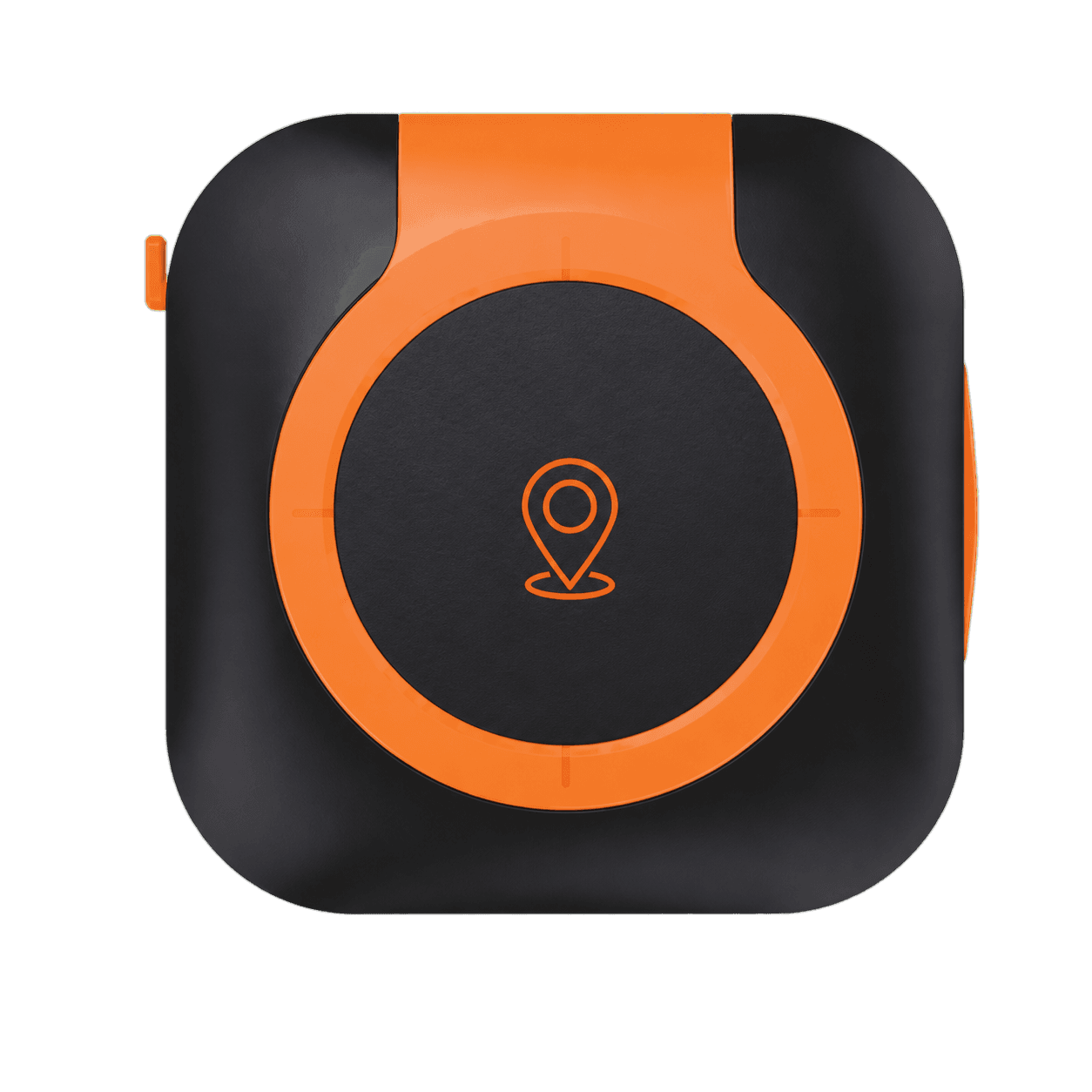
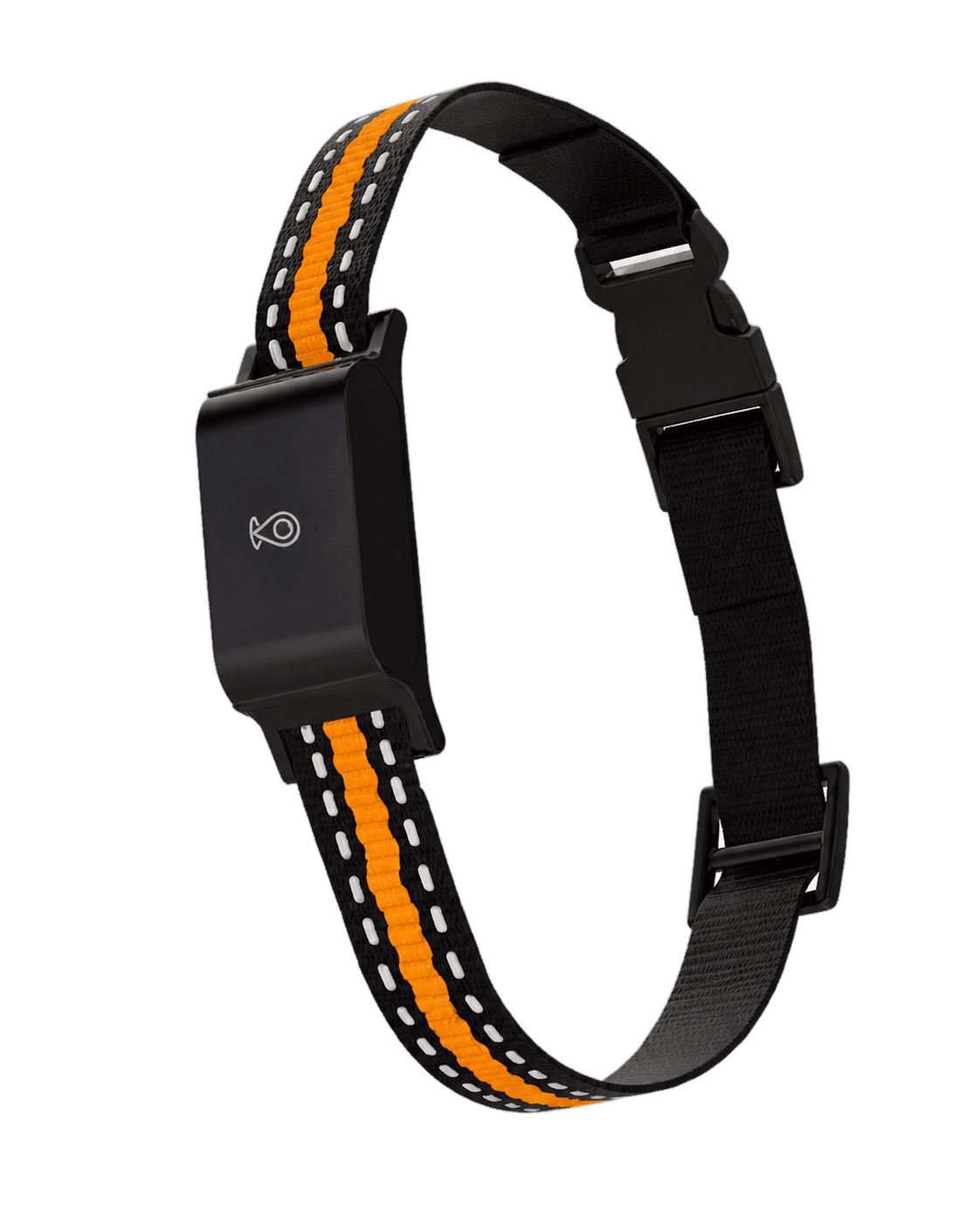
The C08 pet GPS tracker is positioned as a compact app-connected platform with multiple functional options, while the C09 pet GPS tracker emphasizes a durable IP65 enclosure, convenient charging and long-standby positioning. Exact features, bands and runtime depend on the selected market configuration and must be confirmed before quotation.
For private-label development, begin with target countries, acceptable device size, normal reporting interval, live-tracking expectations, subscription model, packaging and after-sales policy. Review our OEM/ODM service, factory and quality process and complete pet GPS tracker range.
Build a Battery Claim Buyers Can Trust
Share your target market, network, update schedule, expected live-tracking session and device-size requirement. We can review a suitable platform and define a sample-test profile before tooling or bulk production.
